

Thailand immigration in 2026 has changed in a few important ways, but not always in the way people expect. The biggest updates are not brand new visa categories. They are practical system changes, digital entry requirements, expanded online processing, and a few policy discussions that many people are already confusing with active rules.
That confusion creates real problems. Many foreigners are still relying on old forum advice, outdated Facebook posts, or secondhand information from someone whose case was completely different.
In 2026, that approach is more risky than ever.
Understanding what actually changed, what is already active, and what is still under discussion can save you time, stress, and expensive mistakes.
The Thailand Digital Arrival Card Is Now Required
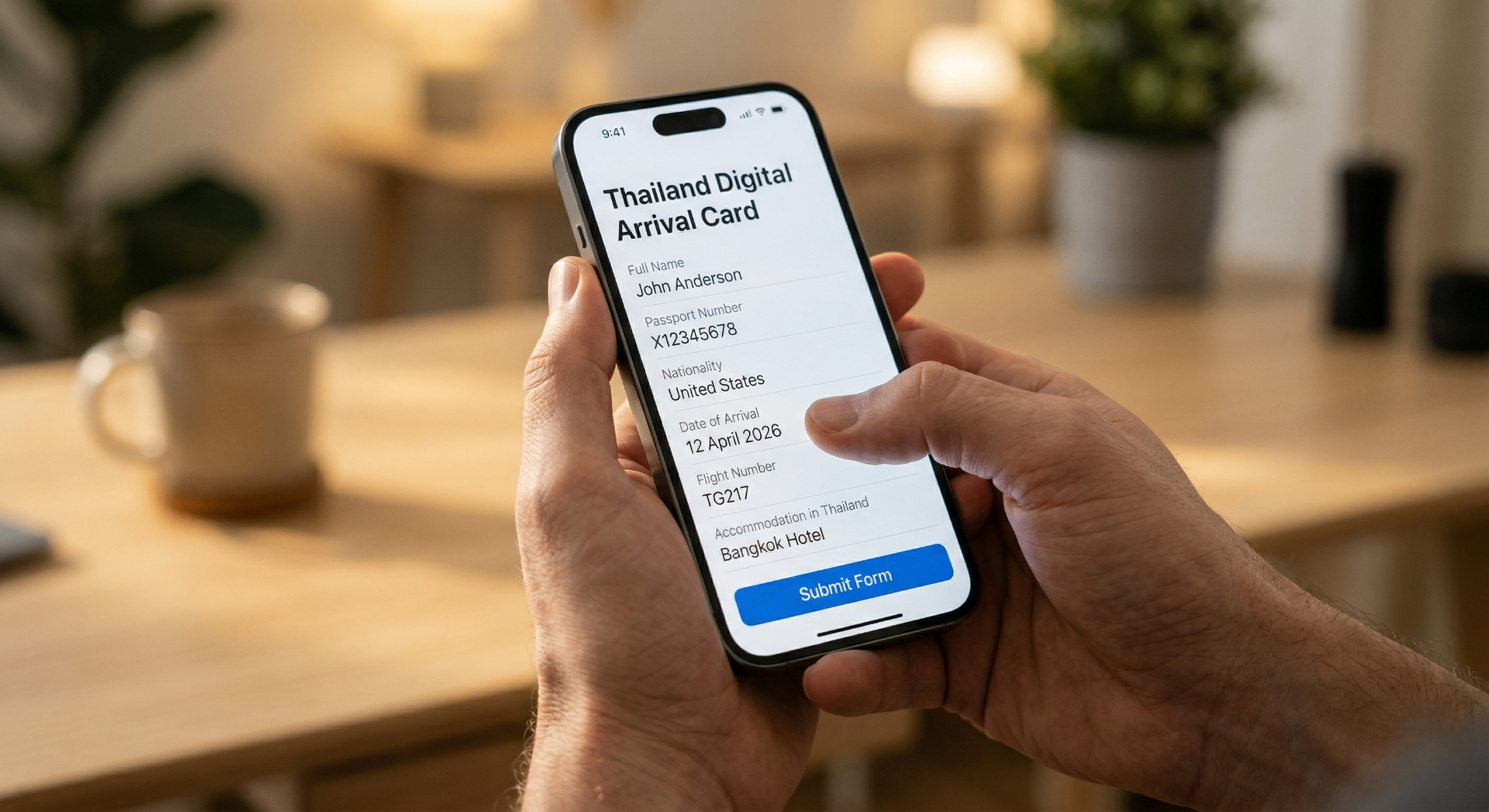
One of the most important practical changes is the Thailand Digital Arrival Card, or TDAC. This system replaced the old paper TM6-style arrival card for foreign travelers and is now required for non-Thai nationals entering Thailand by air, land, or sea. Travelers must complete it within three days before arrival, including the date of arrival itself.
The TDAC requires passport details, travel information, accommodation details, and certain health declaration information. A new submission is required for each entry into Thailand. It is not a one-time registration.
For travelers, this means one more step before arrival, but it also means Thailand is moving further toward a more digital immigration process.
E-Visa Access Is Much Broader
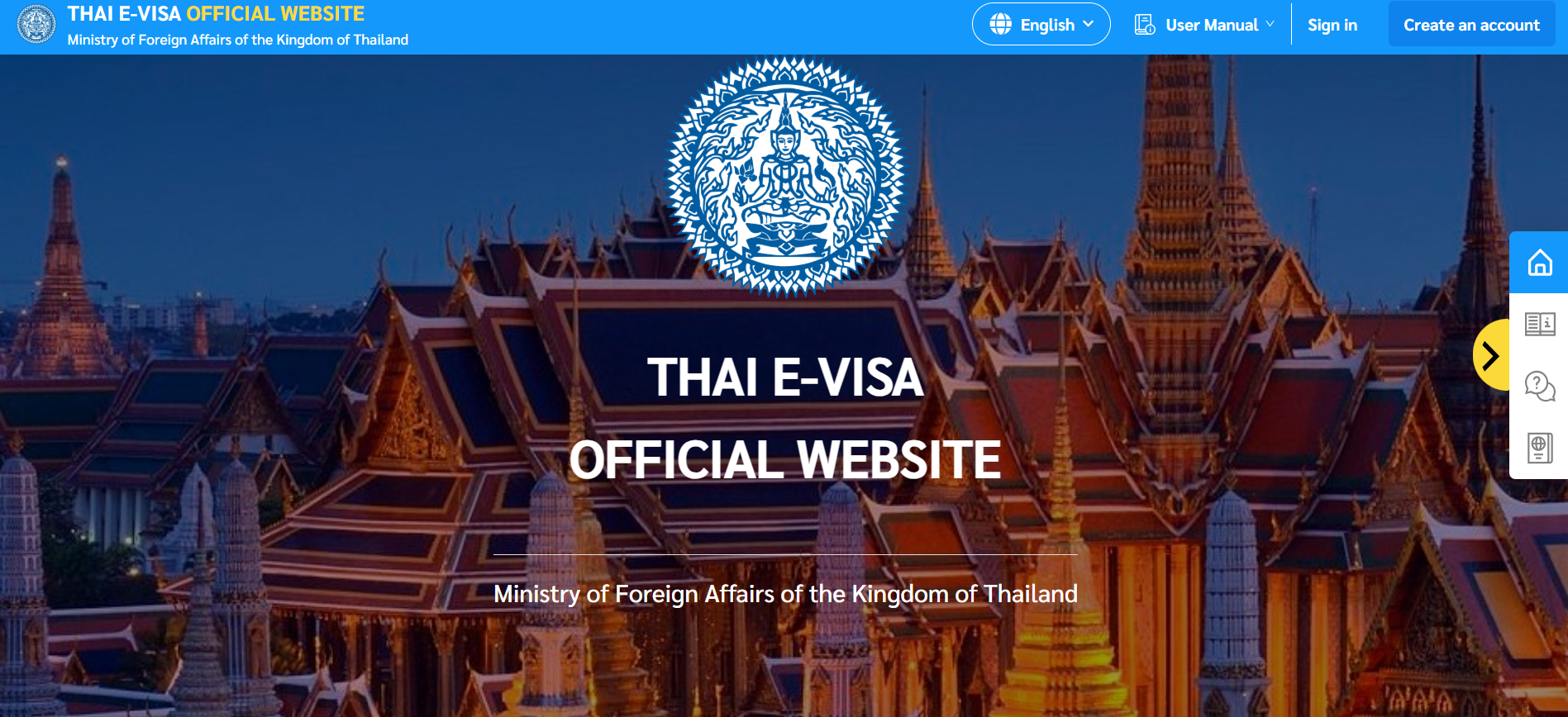
Thailand's e-Visa system is now more widely available than before. Official government information states that e-Visa services were expanded to 94 Thai embassies and consulates starting from 1 January 2025, and that broader rollout remains in place in 2026.
This does not mean visa approvals are easier. It means the application process is more standardized and more digital for many applicants around the world.
For many foreigners, that is a positive change. But the key point remains the same: submitting online does not remove the need for proper documents, accurate information, and a visa category that matches your real situation.
For reference, you can download the official Thai E-Visa Manual (PDF) to review the process and requirements in detail.
E-Extension Continues for Select Cases
Thailand Immigration also continues to offer e-Extension services for certain categories of temporary stay extensions. This allows some applicants to begin or manage part of the extension process online. But it is not available for every visa type or every situation.
That matters because many people hear the phrase "online extension" and assume everything can now be handled remotely. It cannot.
Your eligibility depends on your visa category, your purpose of stay, and the specific conditions of your case. In other words, online processing helps, but it does not replace compliance.
Permanent Residence Applications Opened in 2026
Another important development in 2026 is the opening of the permanent residence application period for the 2025 annual quota. Immigration announcements show that applications were accepted from 9 March to 3 April 2026, during official working days and hours. The quota remained capped by nationality, with up to 100 persons per nationality and up to 50 stateless persons.
For long-term residents who may qualify, this is significant. Missing the application window can delay plans for an entire year.
Some Policy Changes Are Still Not Final
There are also additional immigration-related measures that have been discussed officially but should not yet be treated as active rules unless implementation details are formally published.
These include possible adjustments to visa-on-arrival eligibility for additional countries and revisions to certain retirement-related criteria. These are worth monitoring, but they are not the same as a live rule already being enforced.
⚠️ This is where many people get into trouble. They hear that something was announced, assume it is already active, and then make plans based on the wrong information.
Bottom Line
The biggest Thailand immigration story in 2026 is not one dramatic new visa. It is the shift toward more digital systems, more structured processing, and less room for guessing. TDAC is now required. E-Visa access is broader. E-Extension remains limited to certain categories. Permanent residence opened on a fixed schedule. And some additional policy ideas are still under discussion, not yet fully active.
The safest approach is simple: follow what is live, ignore outdated advice, and do not confuse a proposal with an implemented rule.
If you handle the process correctly from the beginning, Thailand remains one of the easiest places in the region to enjoy long-term living with the right visa strategy.
Download Our Free Visa Guide
Get a comprehensive guide covering the most common visa mistakes, current requirements, and expert tips — all in one PDF.
Need Help With Your Visa?
Book a free consultation with our team or reach out on WhatsApp. We will review your situation and give you a clear plan.